
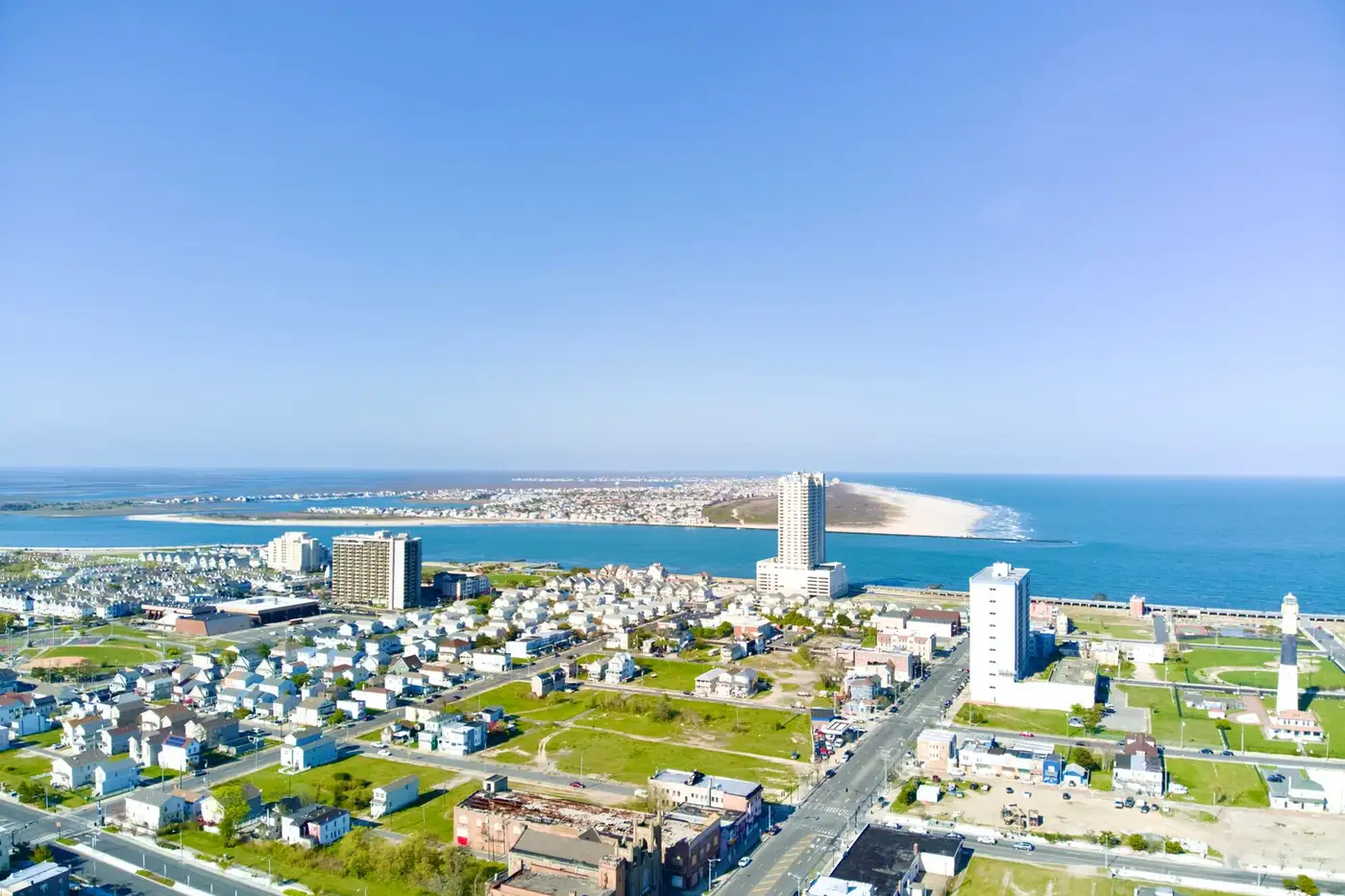
Personal insurance for Atlantic City and the shore
Coverage for your home, your condo, the properties you rent out, and the things a homeowners policy leaves out.
As independent agents, we compare policies from several insurance companies, explain what each one actually covers, and stay your contact after the policy is written, including when you have a claim.
Homeowners insurance
Homeowners insurance covers damage to your house and your belongings, and it includes liability coverage if someone is hurt on your property or you accidentally damage someone else's property. A homeowners policy usually covers:
- Your dwelling
- Other structures on your property, like a detached garage or fence
- Your personal property
- Liability for injuries to others or damage to their property
When you file a claim, you pay a deductible, the out-of-pocket amount before coverage applies.
If you have a mortgage
Lenders require proof of insurance before they fund a loan. You can choose your own policy and compare offers. If your coverage lapses, the lender can buy a policy for you, usually at a higher cost. Many homeowners pay the premium through an escrow account that's part of the monthly mortgage payment.
If your home is paid off
Ask yourself whether you could afford to repair or rebuild if the house were badly damaged. A homeowners policy typically helps pay for repairs after a covered loss like fire, hail, lightning, or vandalism, and it may cover hotel and other living expenses while you can't live at home.
Rental property insurance
If you rent out a house, a duplex, or a small apartment building, a homeowners policy usually isn't the right fit. Rentals are typically insured on a dwelling policy, sometimes called a landlord policy. It covers the building, can cover rent you lose while a damaged unit is repaired, and can include liability coverage, which is often added to the policy or written separately.
Properties near the water can be hard to place with standard insurance companies. When that happens, we look to surplus lines insurers, which cover risks the standard market won't, and to the New Jersey FAIR Plan where it fits. Surplus lines policies work differently from standard policies, including how taxes, fees, and state guaranty fund protection apply, and we walk you through those differences before you buy.
Vacant property insurance
Insurance companies treat an empty house differently from one someone lives in. Many homeowners policies limit or exclude some coverage once a home has been vacant for a period of time, often 30 or 60 days, so check your policy before a property sits empty.
A vacant property is usually insured on a dwelling policy written for vacant occupancy. Tell us why it's vacant (for sale, being renovated, between tenants, or part of an estate) and how long you expect that to last. Both affect which insurance companies will consider it.
Flood insurance
Homeowners and renters policies don't cover flood damage. Only a separate flood policy does, whatever your area's flood risk. FEMA notes that floods happen in every region of the country. On Absecon Island, flood coverage is essential.
Flood policies are available through the National Flood Insurance Program (NFIP) and from private flood insurers. NFIP policies generally take 30 days to start unless you buy one in connection with a mortgage, so don't wait for a storm forecast.
If you're buying or moving, ask your lender, your town, or us whether the property has flooded before. Without insurance, disaster help usually comes as loans that have to be paid back.
Condo insurance (HO-6)
Your association's master policy covers the building, but usually not everything inside your unit. A condo policy fills that gap. It has three main parts:
- Dwelling: the walls, floors, and fixtures your association documents make your responsibility
- Personal property: your belongings in the unit
- Liability: legal costs if someone sues you over something that happened in your unit
It can also include loss assessment coverage, which helps if the association charges owners for a covered loss to common areas. Damage to your unit can affect your neighbors too, so the right limits matter.
Excess liability insurance
An excess liability policy adds liability limits above your home, auto, and boat policies. It doesn't cover physical damage to anything. It can pay for lawsuits, settlements, and legal defense once the liability limits on those underlying policies run out. It generally applies only to claims the underlying policy covers, so what it covers depends on those policies and on its own terms.
If you're not sure how much liability coverage you have today, bring us your policies and we'll review them with you.
Visit the office
3542 Atlantic AvenueAtlantic City, NJ 08401
- Phone
- 609-345-2203
Office hours
- Monday to Thursday, 9:00 AM to 5:00 PM
- Friday, 9:00 AM to 4:00 PM
Bloom Realty & Insurance
3542 Atlantic Avenue, Atlantic City, NJ 08401
609-345-2203 · info@bloomrealtyinsurance.com · bloomrealtyinsurance.com